
Planning to launch a SaaS product in 2026?
Without a clear SaaS launch plan, even the best software can fail to gain traction. A well-structured plan ensures you cover everything, from market research and positioning to marketing, onboarding, and scaling.
Just like a brand launch checklist provides direction for branding, a SaaS checklist gives you the roadmap to successfully launch your SaaS product. It turns your idea into reality with actionable steps, rather than guesswork.
If you’re ready to learn how to launch a SaaS product the right way, your roadmap starts here.
How to Launch a SaaS Product: Understanding the Basics
Launching a SaaS product is just like starting a SaaS business.
To accomplish this, you need to plan your actions in phases. You cannot do it all at once. First, it’s not feasible, and even if you try, you end up overwhelming yourself and your team, and you end up building a SaaS product that misses nuances.
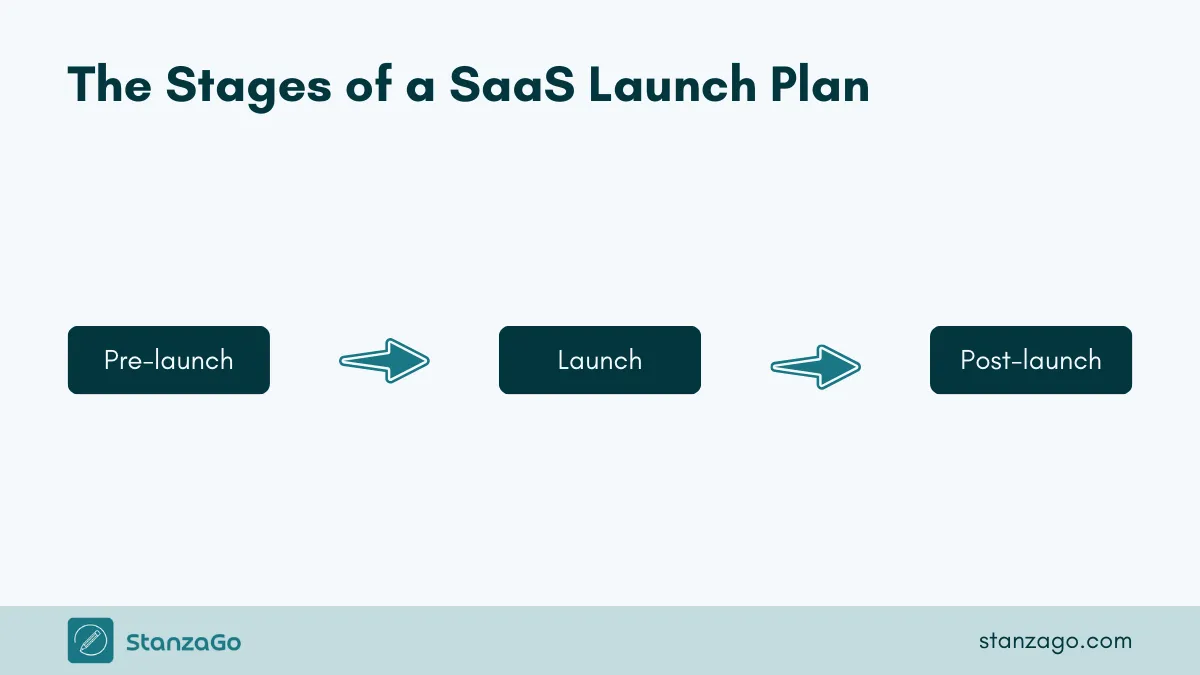
Therefore, your SaaS product launch plan should have:
- A pre-launch plan
- A launch plan
- A post-launch plan
In this way, you’ll be able to build and launch a SaaS product that’s highly valuable to customers and easier to manage for you.
Below, we have listed the SaaS checklist in the same order, so you can effectively build your SaaS product and bring it to the public for maximum satisfaction. You can also use the following for a Software launch plan, as both are likely similar.
Now, if you’re happy with the launch plan being divided into phases, let’s look at the material for each phase.
SaaS Pre-Launch Phase Plan
This is the ground zero of your SaaS launch. From here, you’ll be able to find a product and build it that serves an important cause.
If you miss this, you miss a crucial aspect of building a product and launching it.
There are studies that back this idea that 90% of startups fail due to weak or missing pre-launch plans. Therefore, if you don’t want to end up like those organizations, make sure the software launch plan includes a pre-launch phase and the following aspects.
Only then would your SaaS checklist be effective for launching the SaaS product.
1. Finding the Problem
You may have thought about a product, or you might be in the process of deciding something.
Here, the crucial thing to note is that the product should be useful. As an entrepreneur, you can have different ideas in your mind that you think would be a great fit for a product.
However, if it’s not problem-solving, then it’s a total waste.
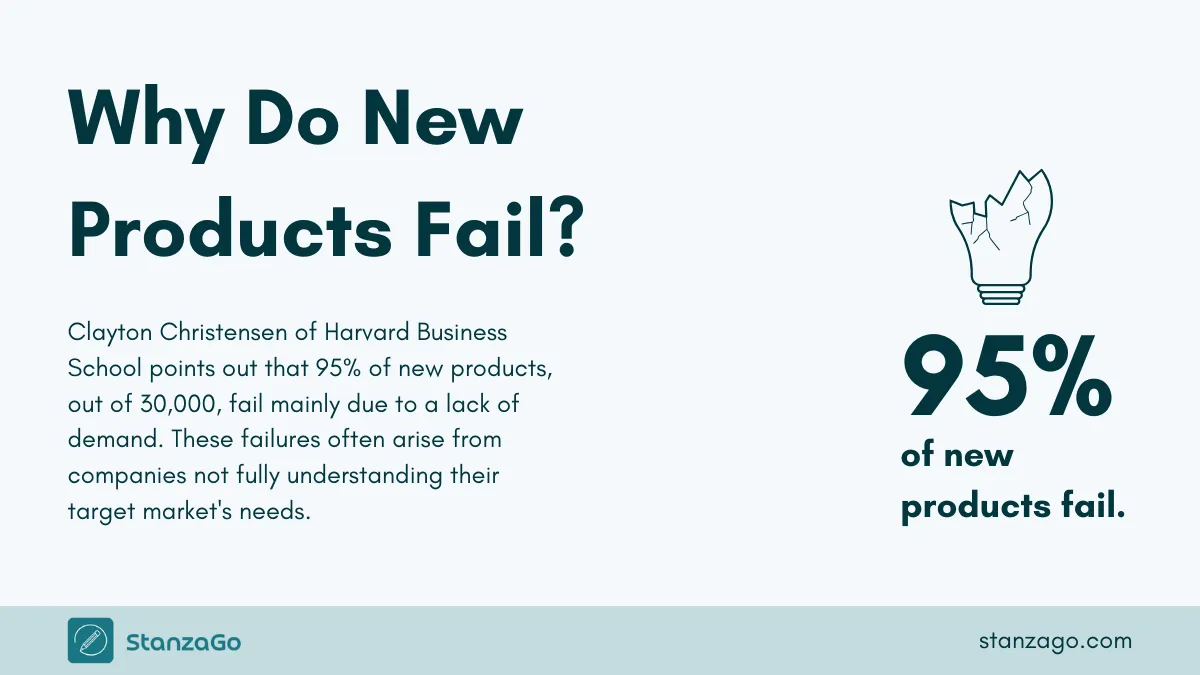
According to Clayton Christensen, a Harvard Business School professor, 95% of new products out of 30000 fail because they have no real need for them.
As Steve Jobs said, “Start with the customer experience and work backwards to the technology.” You should create things that matter to people.
And the best way is to find people’s problems and build your product around solving them.
So, how can you do that?
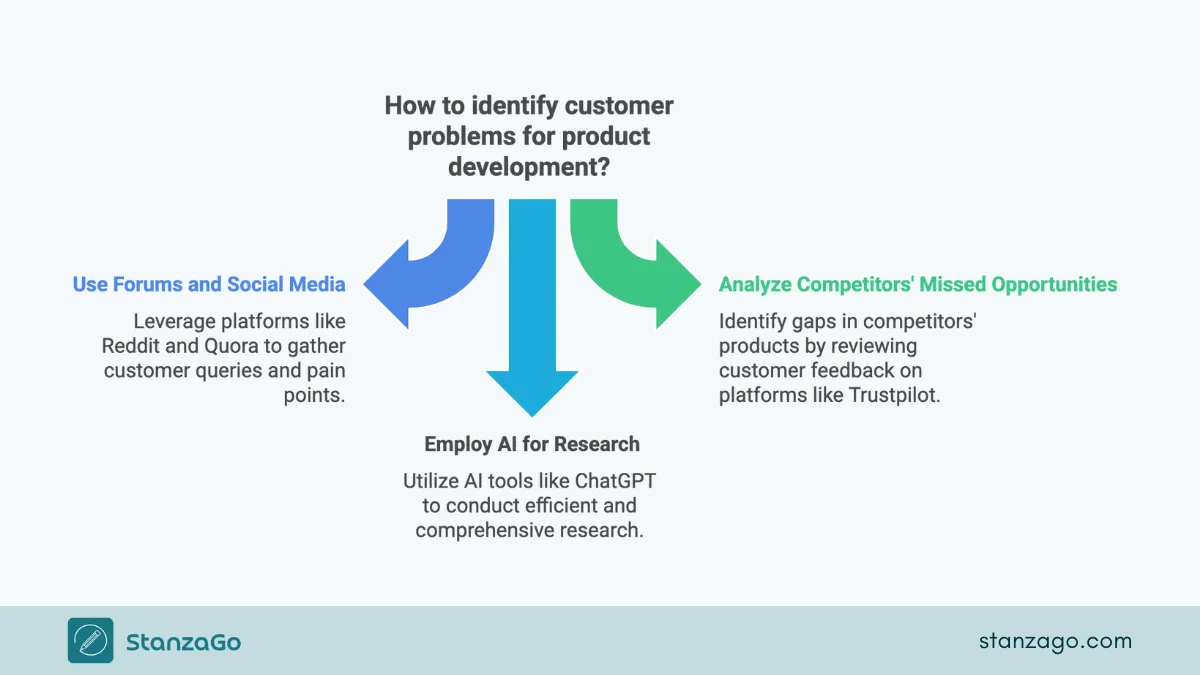
Well, in the era of AI, there are three ways you can do it.
i. Identify Customer Pain Points Using Forums and Social Media
Platforms like Reddit and Quora offer a pool of people seeking solutions to the problems they face. In the process of introducing a new product to the market, you can make the most of these.
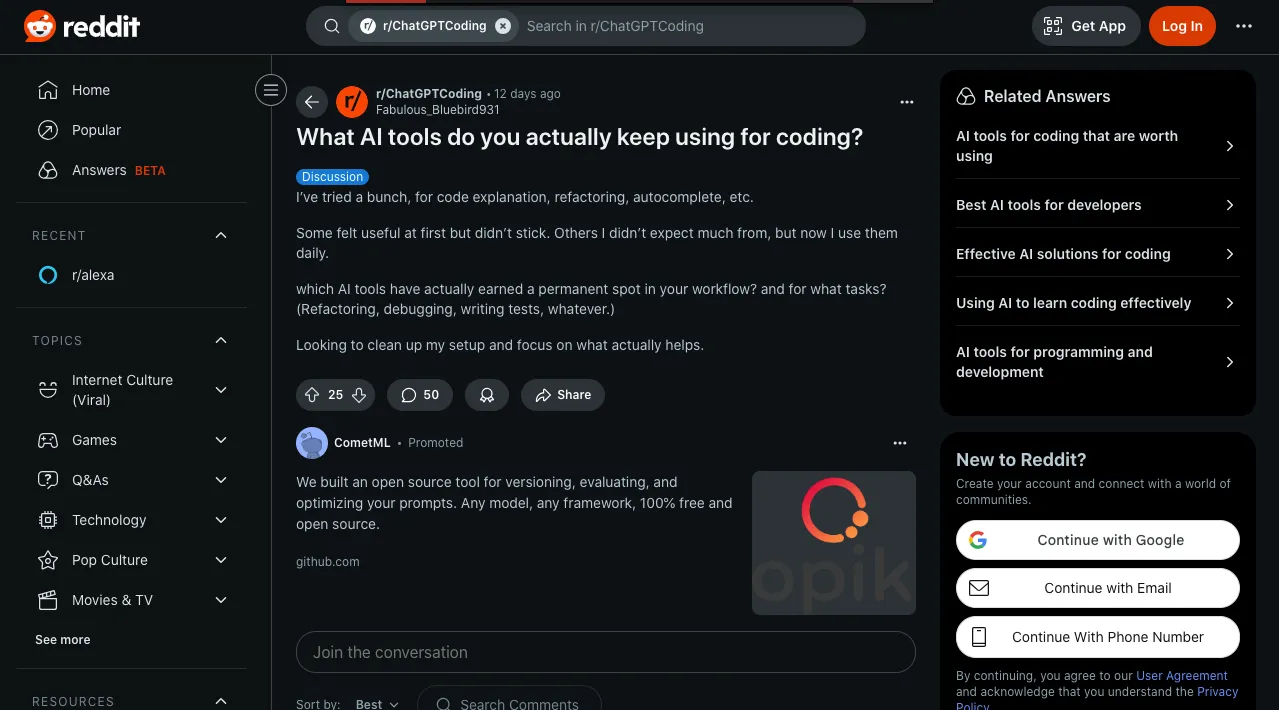
Simply write a general query on these platforms, and you’ll find various questions people are asking, on which you can develop your product.
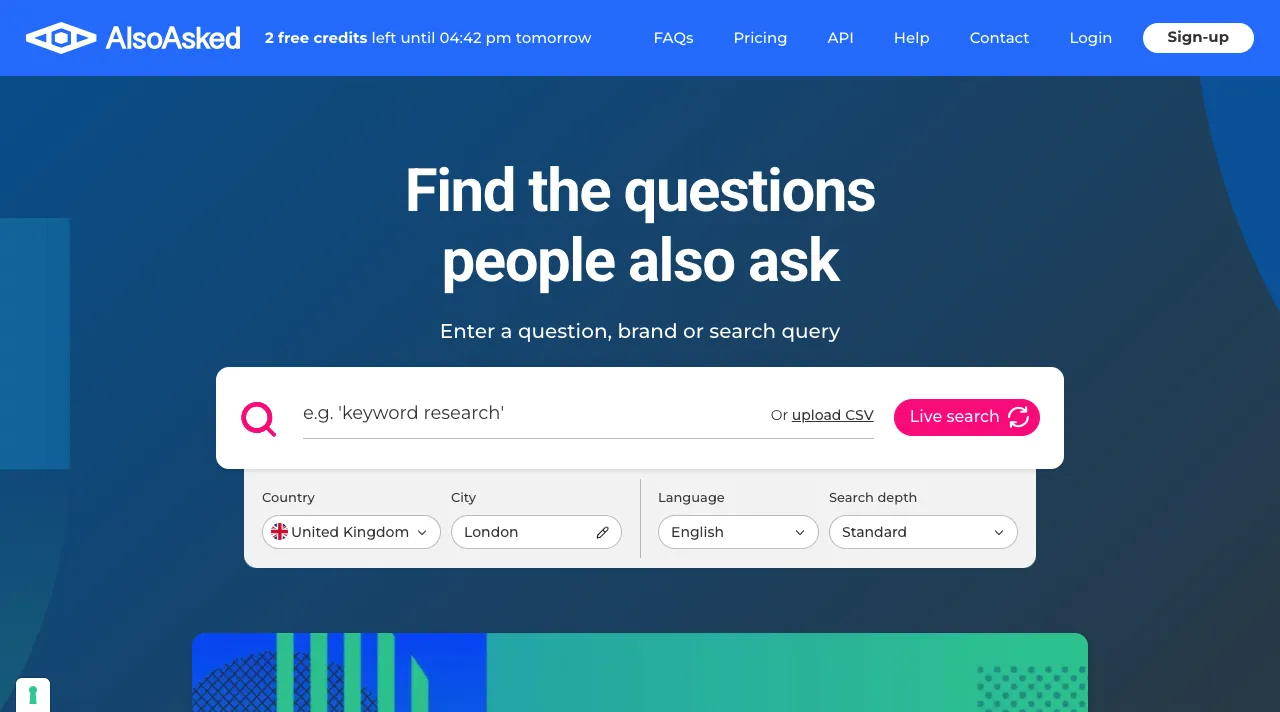
In addition to this, you can use tools like Answer The Public or AlsoAsked to learn about queries people are making on Google and other search engines. In this way, you will reach a problem worth solving.
Hence, a product worth creating.
ii. Look Out for What Your Competitors Are Missing
Sometimes there’s no demand for something, so we humans just create it.
However, if your team is introducing a new product in a particular field where there are already some names, you can analyze them and build something better.
There’s always something someone is missing.
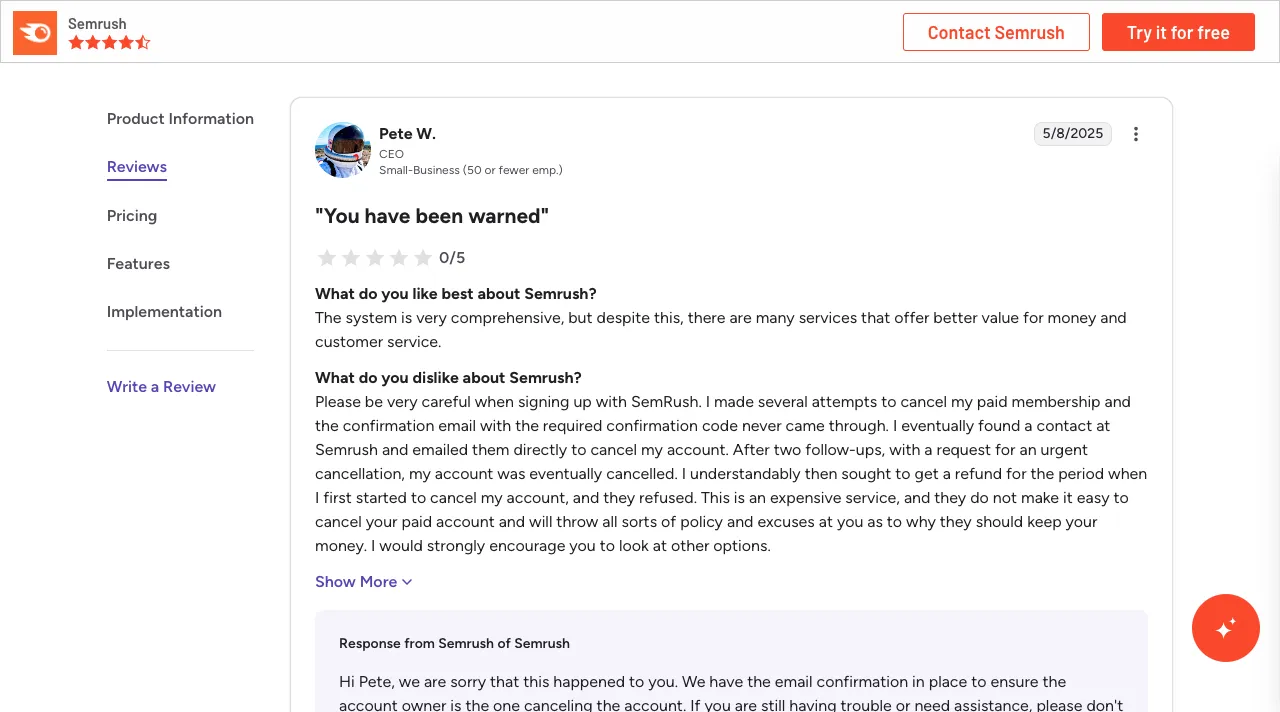
So, it’s good to fill those gaps in your product and launch it as a better alternative. But how can you do that? It’s simple; nothing much is needed.
- Open platforms like Trustpilot or G2 and see what their frustrated customers are saying.
- You can also visit their blogs if they have them and read user comments. It’s a gold mine to find and identify gaps in your competitors’ products.
Why this work?
Because it’s all humans talking about their human problems related to the product.
iii. Use AI to do Effective Research
If you use the above methods with passion, you’ll find many points on which you can build a product that’s really needed. Yet, there’s a possibility that you might miss something. Therefore, you can use tools like ChatGPT or Perplexity to do your research effectively.
When the human mind is involved, machines can go where minds cannot.
Therefore, if possible, utilize AI tools as well, because in addition to better research, they help you do it quickly, when time is a priority.
In my suggestion, you want to do deep research, use Gemini AI’s Deepresearch functionality because it’s better than the others. Simply open the tool, write everything on your mind, and click Deep Research.
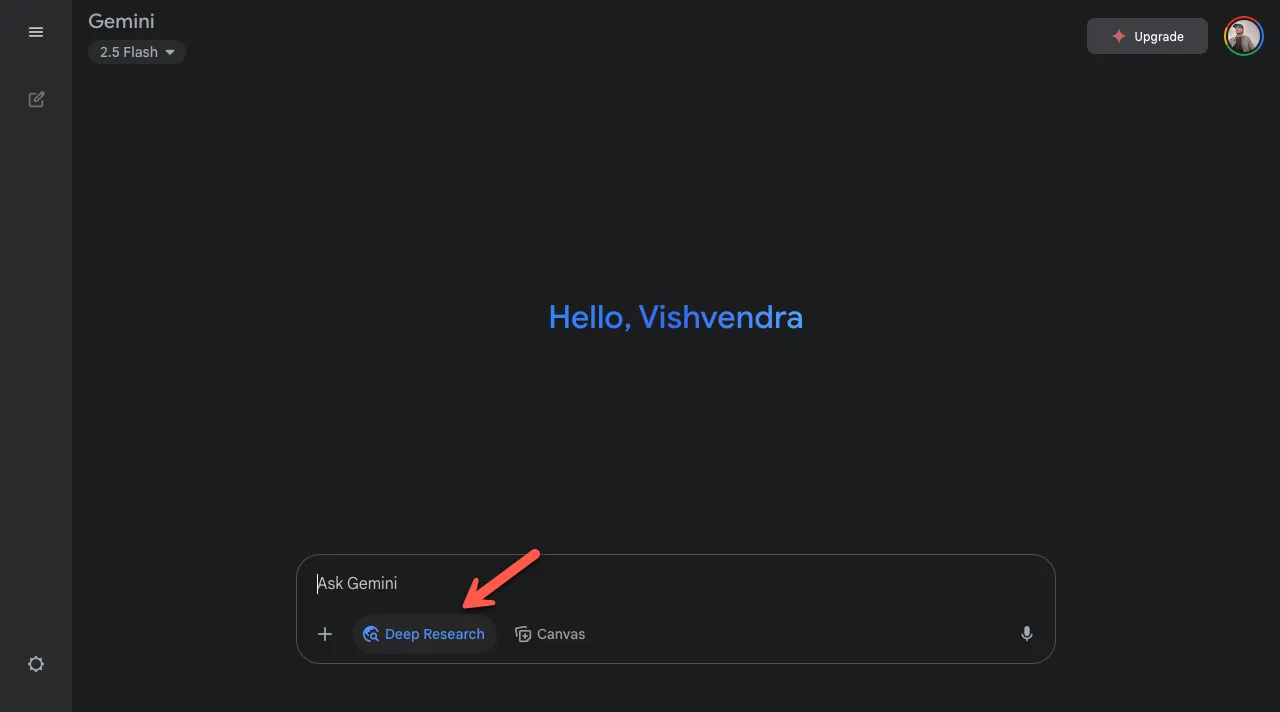
This will start the process of creating a research plan. Once it’s done, it will provide you with a Report.
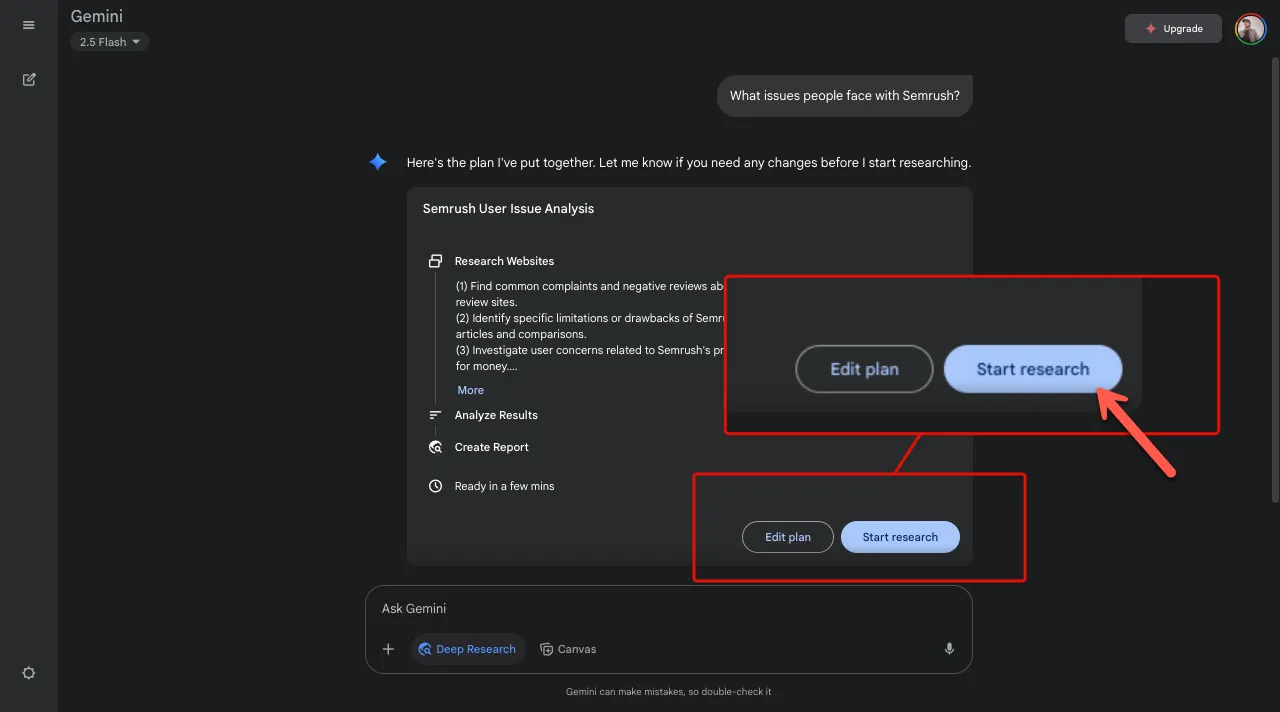
Then, click on Start research, and soon you’ll have your data.
2. Development
At this stage of the SaaS product launch plan, don’t be like Steve Jobs, who was prone to developing perfect products; in the SaaS industry, companies first build an MVP.
Why?
There’s a popular saying in Silicon Valley that has helped many organizations build effective products: “Fail cheap, fail quickly.”
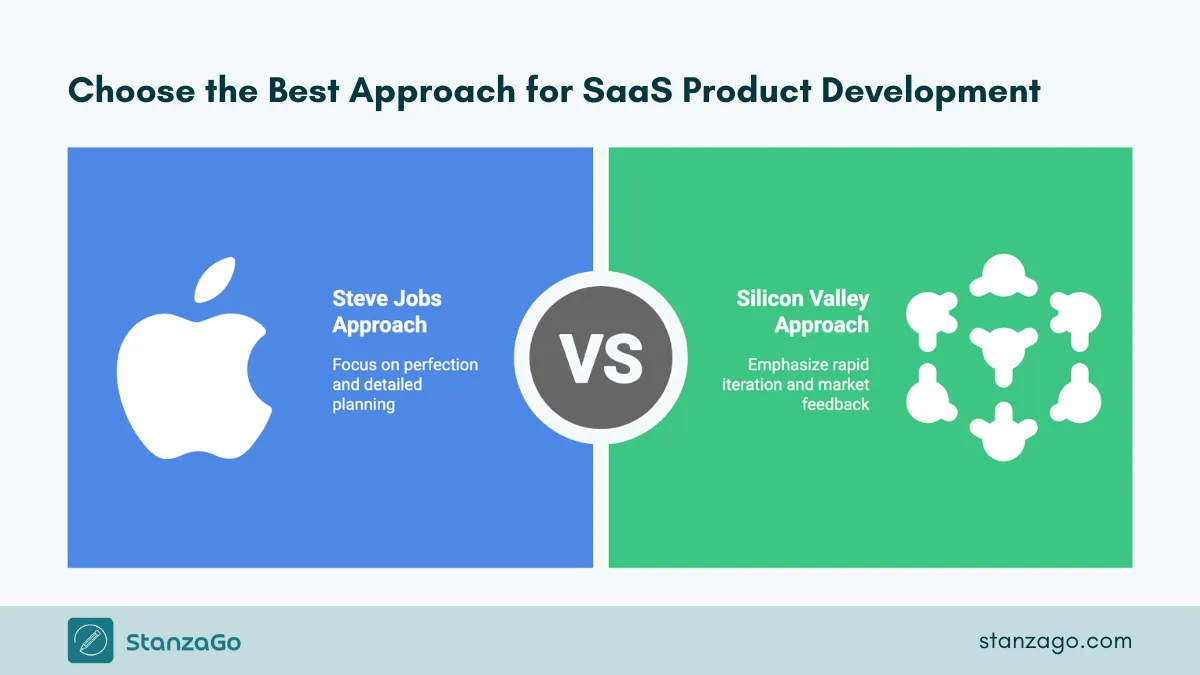
This phenomenon helps you quickly understand the market need and whether the problem is worth solving.
You save a lot by not working on unnecessary things.
If you try to be Steve Jobs, you might end up not building anything and wasting your resources.
Therefore, build an MVP (minimum viable product) and learn more about it as you move forward. While you create an MVP, create internal documentation as well, such as:
- Architecture
- APIs
- Developers guides
These internal documents allow your team to move towards building the SaaS product with more synchronicity and clarity of the problem and product features. Hence, developing a product that’s needed.
3. Beta Testing
You cannot launch software without addressing issues that could bring it down on your first official public launch.
This is where Beta testing can assist you immensely.
Once you have built an MVP, run Beta testing programs. They can be public or private, depending on the secrecy of the product features. By running beta programs, you can gather user feedback and document known issues, which are essential to improving the SaaS.
Plus, these programs allow you to build FAQs that later can be used to provide effective customer support.
This is a must-do step; you shouldn’t miss or ignore it.
4. Improvement
The user feedback you gather should be considered and applied if feasible.
Also, the bugs and known issues you document should be resolved during the beta program. Don’t wait; build a list of issues to be resolved, but fix them as you build and improve the product.
In addition to iterating on the product, make sure you update internal documents and beta user guides.
These will allow your developers to stay up to date on changes, so they won’t work on issues that have already been resolved. Plus, beta users can access the features correctly and report new suggestions without getting overwhelmed.
Recap on Phase 1
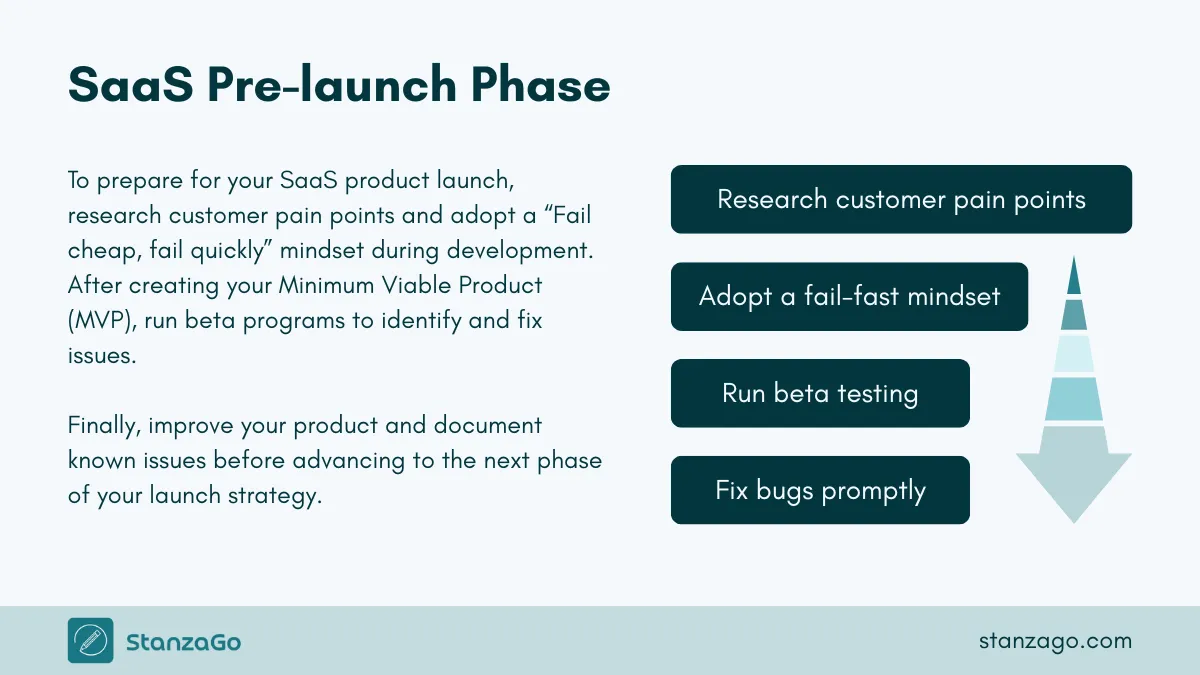
Before launching your SaaS product, ensure you do effective research on the customer’s pain points. Then build the product with the “Fail cheap, fail quickly” mindset. Once the MVP is complete, run beta programs to identify issues and fix bugs.
Finally, make improvements and document the known issues before stepping into phase 2 of your SaaS launch plan.
SaaS Launch Phase Plan
This phase is where you’ll learn how to sell a SaaS product.
Not only learn, but also prepare the SaaS platform to meet its targeted audience. It’s the bridge between developing and selling the SaaS. Moreover, because of this phase, you’ll be able to serve your customers beyond introducing the product to the market.
Hence, make sure you carry out all the processes with a solid base in mind.
5. Platform Selection (eCommerce Medium and Payment Gateway)
You’ve built your SaaS product, now the question is, how would you sell it?
It’s not software; it cannot be sold offline on a CD or a USB drive. You need to provide your customers with an online platform to explore the product and pay for it.
This simply means you need to set up an eCommerce store integrated with a trustworthy payment gateway. You can build your SaaS product on any language, whether React, Python, or whatnot.
But for a storefront that’s fast, scalable, and conversion-optimized, the following platforms and frameworks are among the best:
- WooCommerce (with WordPress)
- Shopify
- Next.js
- Magento
- BigCommerce
- Medusa.js
Furthermore, to process payments, you can integrate one of the popular payment gateways, such as PayPal, Stripe, Link, or WooPayments.
The mindset behind this should be intuitive options that allow you to present your SaaS product effectively. And the payment gateway should be available in most companies and support most payment options, such as credit cards, Debit Cards, Payment Wallets, and PayPal or Stripe, so that customers with different preferences can purchase your SaaS.
6. Product Copy and Content Production
After you’ve finalized the eCommerce medium and the payment gateway for your SaaS launch, you need to focus on the content production. Content is what will help you present your SaaS to different prospects and convince them.
If not all, then most of the successful product launches were due to crafting content. And if I am not wrong, you already know about this that how crucial content is.

But this doesn’t mean you should add content to your platform without any strategy in mind; if you do that, you set yourself up for failure.
Therefore, a process to produce content should be placed in the SaaS launch plan.
How should you create your content?
If it were not for the SaaS product launch plan, I would have suggested that you first research your market, audience, and competitors; however, you have already done so in the pre-launch phase, so you know about almost every pain point the users can have.
Now, in content production, you need to highlight the benefits of your SaaS product that resolve user issues.
Don’t focus on the features of the product; instead, focus on what outcome those features can provide to your customers. This is what makes your content useful, helping you sell your SaaS effectively.
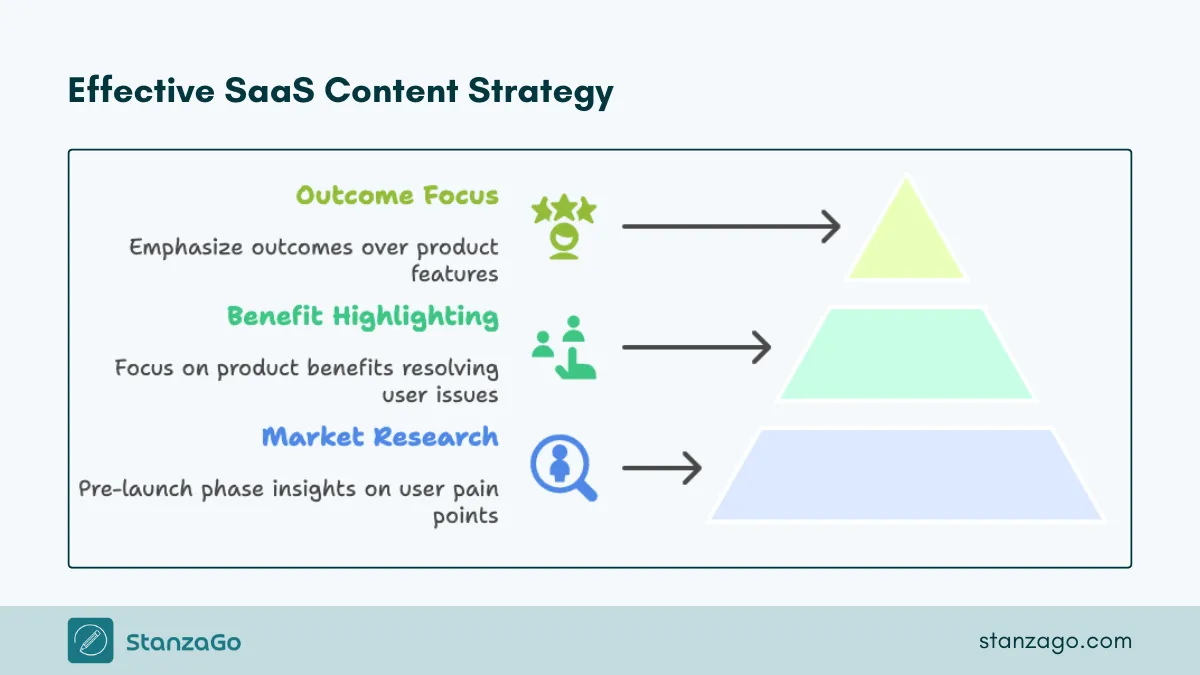
Based on this strategy, you should plan your landing page content, app store/marketplace descriptions, blogs, videos, and tutorials.
If you’re just starting a SaaS business and have a few team members, then you can outsource your content production to freelancers or agencies like StanzaGo and continue focusing on developing the product.
7. SEO + AEO
Content product isn’t enough, you need to set it for success, and for that, you need to work on your SaaS SEO. The content you create should be optimized for search, performance, and local visibility.
If you’re not working on SEO for SaaS, then most of your efforts won’t be utilized effectively.
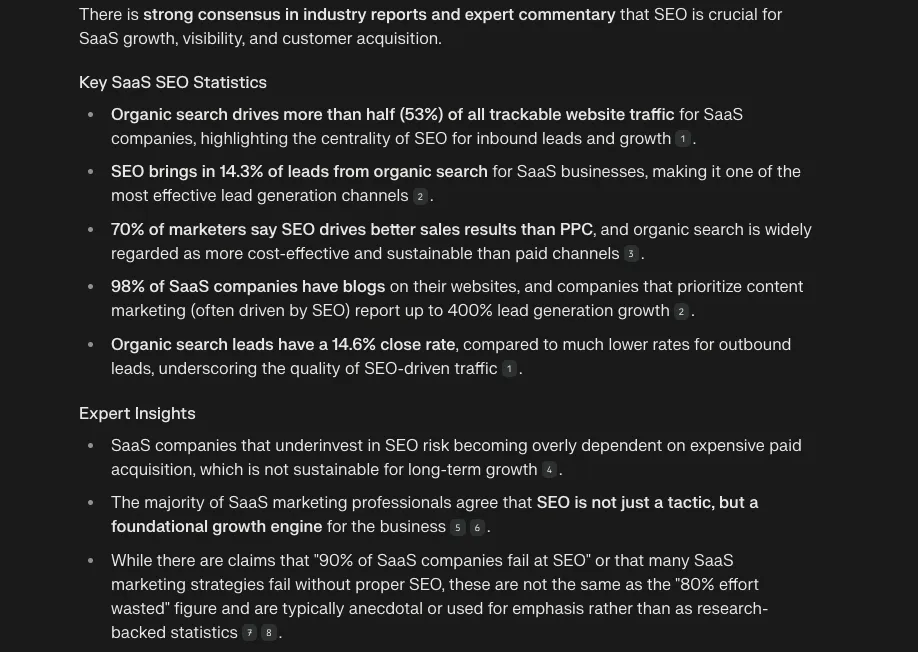
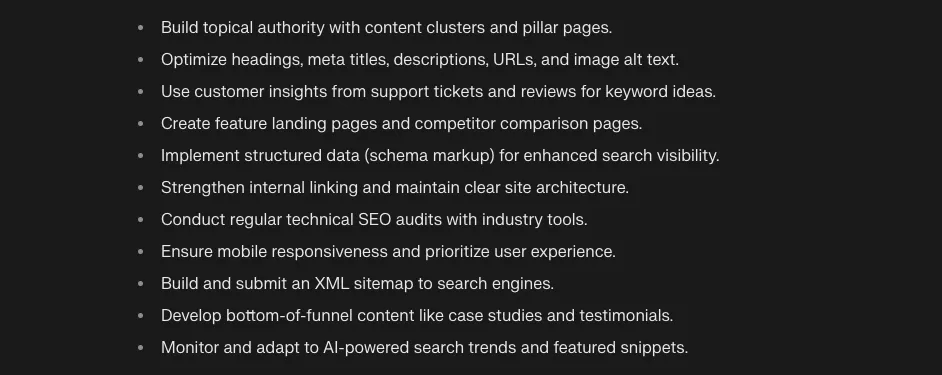
Therefore, it’s essential that while you work on your SaaS launch plan, you give special attention to the SEO of your SaaS, and how can you do that? Well, it’s not that complex.
- Do keyword research and optimize your content with it.
- Target long-tail, high-volume keywords.
- Optimize keywords with ‘0’ volume that match your content immensely, because search trends change.
- Work on aspects of Technical SEO such as speed, Core Web Vitals (CLS, LCP, and INP),
- Work on Local SEO such as Google My Business, Apple Business Connect, and present on Review Websites.
In addition to these, if you’re creating videos for your SaaS product, you should work on Video SEO as well, which guides you to:
- Use target keywords in the video file name.
- Include keywords in the video title and description.
- Design a custom, eye-catching thumbnail.
- Add subtitles and closed captions.
- Use video chapters or timestamps for longer videos.
All these will help your SaaS content appear in the search results in the best positions. For detailed information on how to improve SaaS SEO, you can check out this guide on SEO for SaaS.
However, search engines aren’t the only search tools these days. Now, we have ChatGPT, Gemini, Perplexity, and more.
Therefore, the content should be optimized for these as well, and there, AEO comes in.
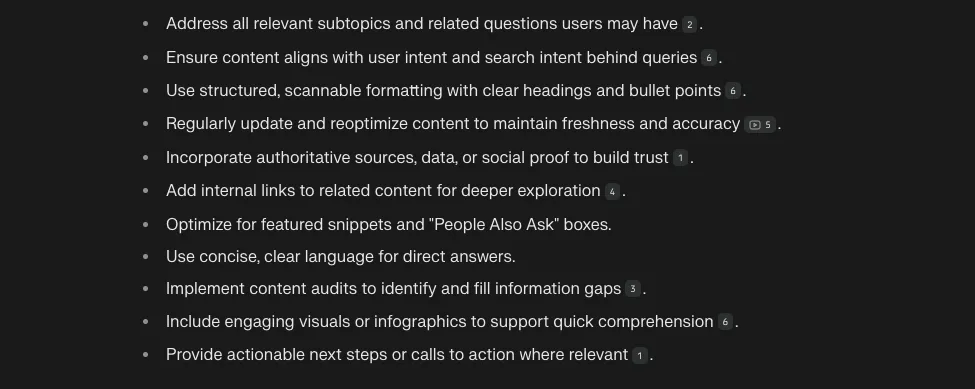
AEO (Answer Engine Optimization) is a process in which you optimize the content so that it can appear in the answers of generative search, and for that, you can do the following:
- Add answers to the direct questions in your content.
- Share short summaries or TL;DRs.
- Optimize pages with FAQ schema or other appropriate schemas.
- Share key takeaways.
- Make use of rich content using the LIVA strategy.
When you work on your SaaS content, keeping the above in mind, you ensure one more point to successfully launch your SaaS product.
8. Documentation for User Onboarding
Okay, your SaaS product is good. It solves the essential problems, but how can one use it?
No, not by creating an account on it.
But by reading the user docs you create for it. Technical documentation of your SaaS is essential, as it guides the user to the right feature for the specific problem they are facing. If you miss creating user docs, you can expect:
- More support tickets
- Low customer retention
- Bad mouth publicity
By creating getting-started guides, interactive walkthroughs, and API references, you allow your customers to easily explore the SaaS. And when they find themselves in a problem, they can resolve it on their own without waiting for the support team to get back to them.
Technical documentation and user guides are crucial for your SaaS to be successful.
They are the core of your customer support, and customer support is the hidden marketing that drives significant results. Apple cleared roughly $40 billion in profit from AppleCare+ between 2016 and 2021.

Hence, include user onboarding documentation in your SaaS launch plan. When you do so, don’t make it a thing last, but do it as you build the product.
To build your user onboarding documentation and set up a knowledgebase, you can use tools like Document360, MkDocs, Docusaurus, HelpCrunch, Guru, and Tawk.to. There are other best tools for documentation and KB that you can use.
9. Final Testing
The Beta programs, user feedback, and internal docs have already given you what you want to know to improve your SaaS product; that’s the reason we had it in our SaaS launch plan.
Based on the internal documents you created, test every feature of your SaaS product.
Make sure nothing goes unnoticed. If possible, create multiple testing teams, and even involve teammates who are not developers, because sometimes people who are not experts offer better insights.
The testing should have some levels and benchmarks that each feature should meet.
If the product is lacking the levels or not meeting the benchmarks, you need to work on the improvements as well as fixing what’s not working. By following this approach, you build a product that receives fewer support tickets and more positive mouth publicity.
All fostering customer retention and boosting revenue.
10. Deciding Product Tiers
If the product is good and customers can use it, you should work on your pricing model. Because it’s a SaaS, you are going to charge your customers on an ongoing basis, which is the most profital method these days.
However, while you do so, you should only rely on two or a maximum of three product tiers.
More than this, it will confuse your customers. According to Stripe’s analysis, it has been found that two product tiers easily allow customers to differentiate and choose the desired plan. Whereas, more than three plans reduce the conversion rate.
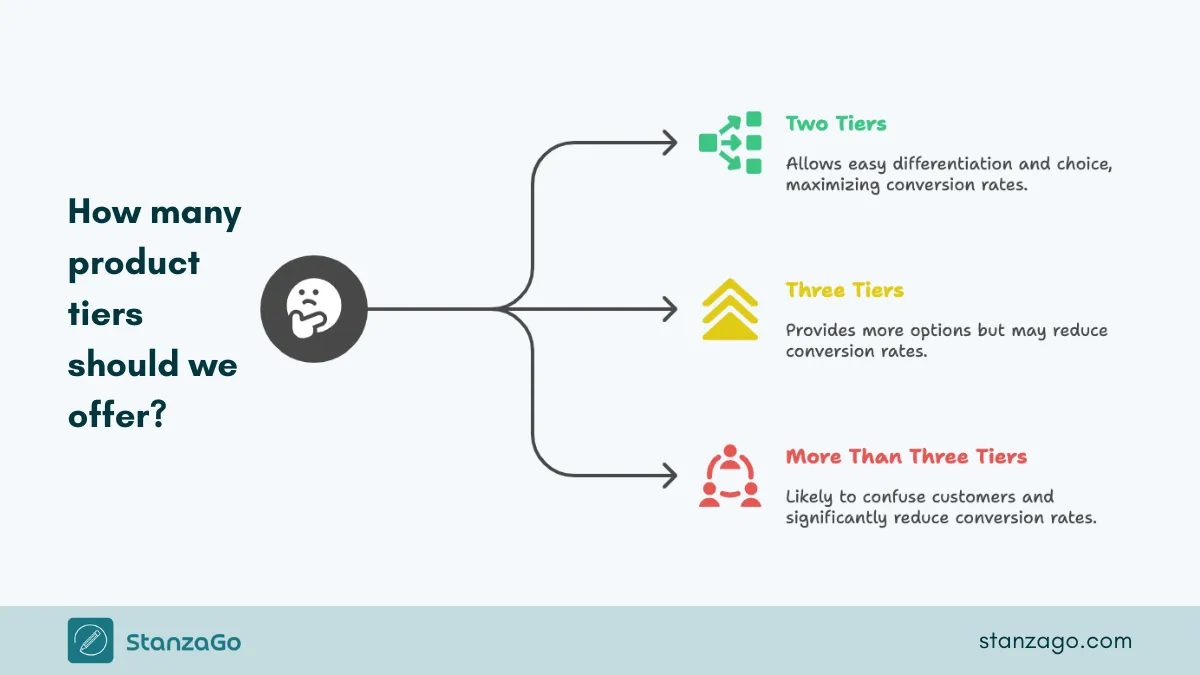
In layman’s terms, more choices and impacts decision making, while fewer allow quick selection.
Furthermore, after deciding on the pricing model, don’t forget to clearly document the features of each tier in your SaaS launch plan. This will help your customers easily distinguish each plan and allow them to choose what suits them the most.
However, the same rule applies here.
Don’t make the feature list too much on the pricing table. Instead, have a different column on the page where you can show the comparison effectively without overwhelming them.
11. Launch
Here, you don’t have to do much, just ensure that you have properly followed the previous points of the SaaS launch plan.
Once you are satisfied that the product is good, all the documents are accurate and up to date, and the help center/knowledge base is ready to serve, you can make your saas product live.
After this, move to the last phase of your SaaS launch plan.
Recap on Phase 2
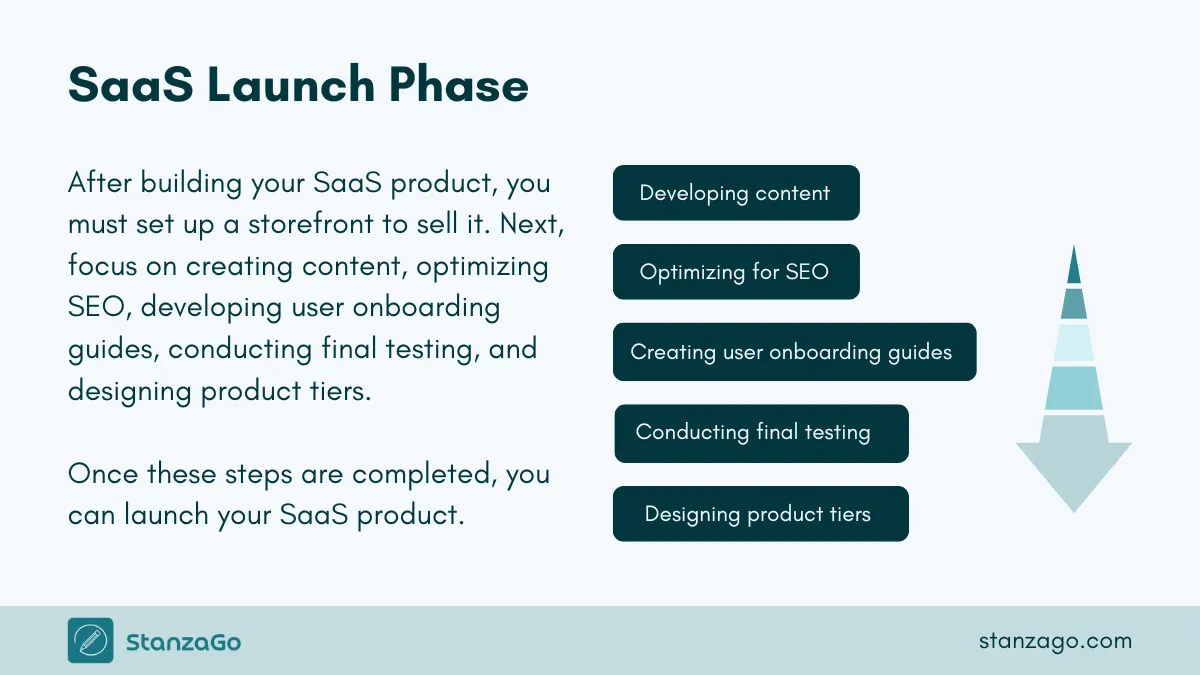
After your SaaS product is built, you need to prepare a storefront to sell it. Then, work on the content, SEO, user onboarding guides, final testing, and coming up with product tiers.
Once you’ve completed all of the above, you can make your SaaS product live.
SaaS Post-Launch Phase Plan
The SaaS product is live, but how would potential customers know about it?
You need to market it, and that’s why you need the SaaS post-launch phase, where you can decisively create a plan on how to market a SaaS product, provide ongoing support, and upgrade the product as the market shifts or user demand changes.
12. Announcements
Your SaaS product is out, and potential users won’t know about it on their own. You need to go in front of them and tell them about it.
Now, you cannot do it through the conventional ways of marketing because it’s a SaaS, and most likely, people who would show interest in your product will be on their computers. Therefore, you need to reach through the digital medium, and those mediums that offer potential results are Email, Social media, and Blogging.
Yes, you can utilize PPC to make an announcement of your SaaS, but the above three offer more long-term results on a low budget.
Email helps you to reach people who are already on your email list, perhaps they will be more likely to buy your SaaS. With the use of social media, you can go viral and even attract new users who haven’t used your product before.
Try collaborating with influencers, posting organic content, running giveaways, polls, and more to effectively use social channels.
Through blogging, you can attract customers for your SaaS product on an evergreen basis. Because you post high-quality content, it will be in the search results for a long time and drive potential users to your platform organically.
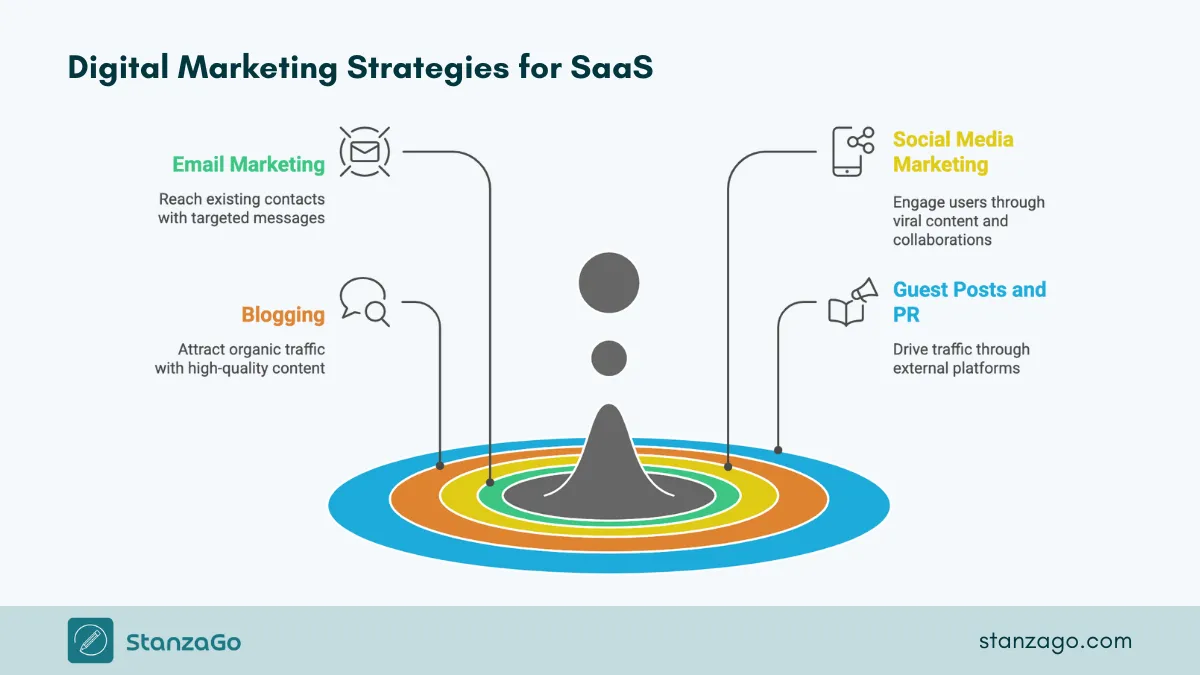
Furthermore, if you do guest posts or PR outreach, then a good platform where you post these can refer huge numbers of users to your SaaS website.
But when you do social media and blogging, ensure it’s more about the user’s problem, rather than talking about your product, because that’s the only thing that will help you highlight your product without looking like a sales pitch.
13. Customer Support
No matter how good your SaaS product is, it’s most likely that it will receive support tickets. Therefore, once you launch your SaaS product, be ready to provide dedicated support to your customers.
In the launch phase, you have already prepared the onboarding user guides. Those will surely help them.
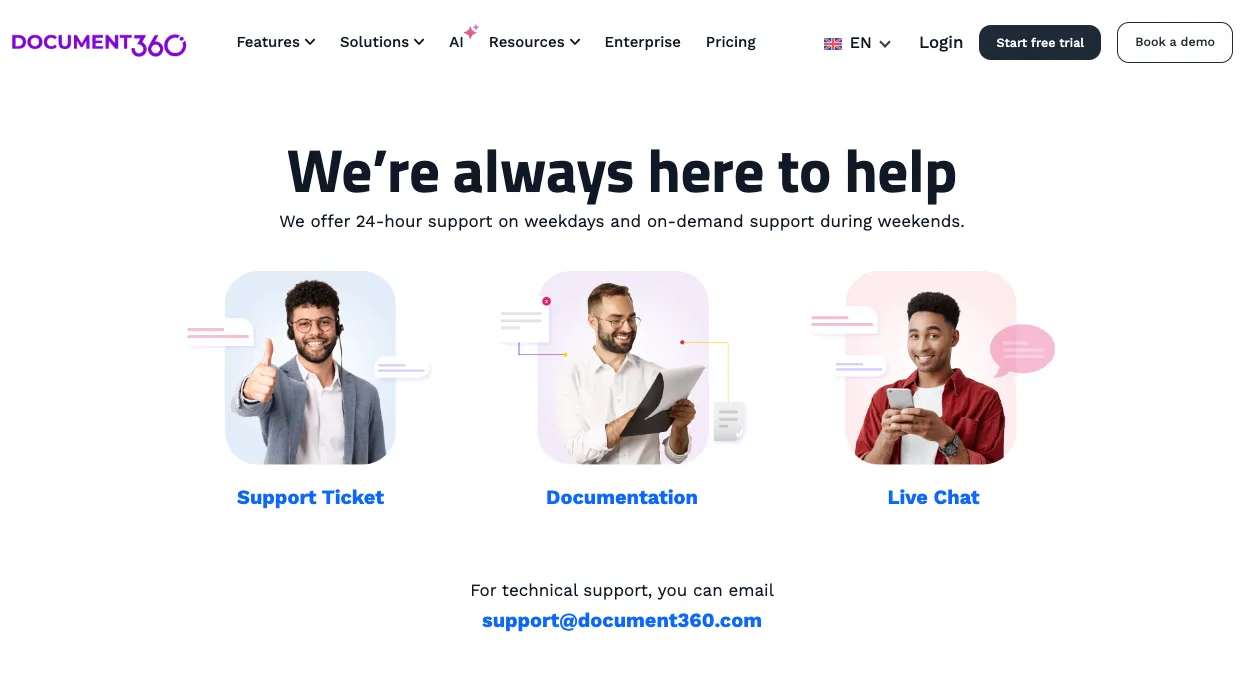
But in this step, you need to be active on your help center and regularly make changes or upgrade your knowledge base. Sync support tickets to the agents, automatically turn queries into support documents, and if possible, integrate a chatbot with access to support documents.
So, when the user raises a query, the chatbot can easily provide them with useful content.
This will help you lower the burden on your support team for queries that don’t need human intervention. And they can focus on matters that need immediate resolution.
With this approach, you’ll position yourself as a client-centric platform that they would prefer to another user.
Hence, positive mouth publicity and more customers.
14. Improvements and Fixes
With time, your SaaS product will have more and more users, and the demand will force you to improve it.
Therefore, keep your team on this and ensure that with users, the product should also grow because that’s the only way it will sustain in a competitive market.
When you make improvements and fixes, upgrade your documentation as well, which is naturally to do, you have to add the new info regarding the product to keep everything relevant and easier for your users as well as developers, both old and new ones.
One thing you should keep in mind is that when you make changes or do fixes, never do huge ones because doing so can impact the ecosystem for your users all of a sudden.
Instead, have small beta programs for new features, and deploy them in subsets.
So, the users won’t find anything unfamiliar all of a sudden and can keep working effectively as they were.
Furthermore, if possible, add backward compatibility, so if someone doesn’t want to switch to the new UI or feature you add, they can easily go back to the things they were.
This ensures that you care about your users and give them the choice to make decisions with freedom.
And freedom, everyone loves it.
Recap on Phase 3
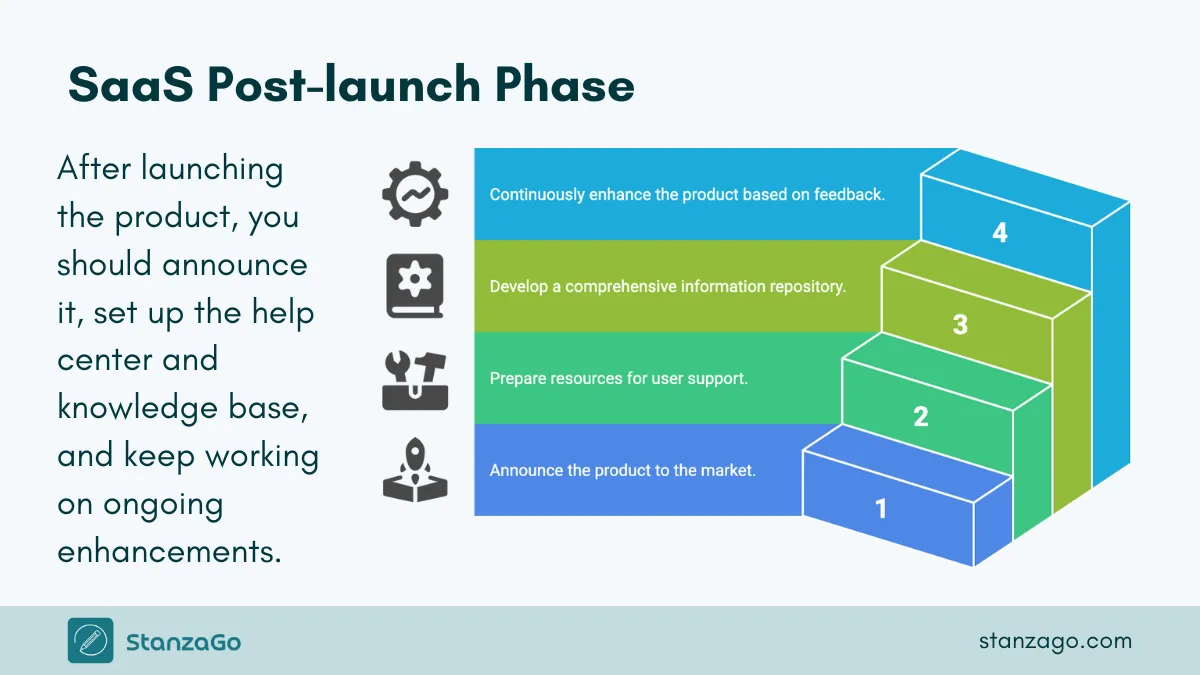
Once the product is live, you need to make announcements, prepare the help center and knowledge base, and work on the ongoing improvements.
Additional on SaaS Launch Plan
We are done with the SaaS launch plan, but still, there’s so much you can implement to effectively serve your customers, improve the product, and stay relevant in the fast-changing world.
Those additional aspects you can include in your SaaS/software launch are as follows:
15. Metrics and Feedback
Utilize metrics and feedback effectively so that you can learn about the behaviour of your customers and how well the product and its features are working. You can do this by:
- Tracking documentation usage (page views, search terms, time on page)
- Measuring support deflection rates (how docs reduce tickets)
- Collecting direct feedback on docs (ratings, comments)
These will allow you to prepare a comprehensive report, which you can use later to make changes to your SaaS product.
16. Localization
It’s good if you’re planning to launch your SaaS product globally. But, don’t do it solely in the English language. Most internet users don’t use English as the primary language; therefore, it would be beneficial if you:
- Translate key documentation into target languages
- Account for region-specific terminology and examples
SaaS Product Launch Checklist Template (Download for Free)
If you’re looking for a product launch checklist template, then fill out your details in the following form, and get your SaaS implementation checklist sent directly to your inbox.
You can also use it as a brand launch checklist, because it includes many essential aspects of launching a product as well as starting a business.
FAQs
What is the 80/20 rule in SaaS?
An 80/20 rule in SaaS is simply about building a product that can generate 80% results from 20% of the efforts which can be in many forms. For instance, 80% of revenue from 20% of customers or features.
How can you start SaaS with no money?
To build a SaaS, you don’t need much money. To scale it, you do. Therefore, first build the MVP (Minimum Viable Product) and then reach out to potential investors or VCs to secure funding. You can even go for bootstrapping or crowdfunding.
What is the life cycle of a SaaS product?
The basic life cycle of a SaaS product is Ideation and Planning → Development and Design → Market Entry and Launch → Growth → Maturity → Decline or Evolution
What will replace SaaS?
Traditionally, the SaaS will have no replacement. Most online platforms will continue to charge you on a monthly or annual basis. You’ll be using them through the cloud. However, there’s a shift that can be predicted in the far future, where SaaS will be provided within AI ecosystems, such as ChatGPT, Gemini, or Meta AI.
Conclusion
By now, you have a clear idea of how to launch a SaaS product. We discussed different phases of the SaaS launch plan and how you should carry out each aspect for a successful product launch.
When you follow the tips mentioned above and align your product with the core problem people are facing, you’ll do much better.
From everything, what’s essential is building a quality product that will be useful to the users. Yes, there’s scope for creativity and out-of-the-box development, but if it’s not serving people, there’s no point in building it.
Therefore, make this the foundation of your SaaS launch plan, no matter how many times you launch a product.